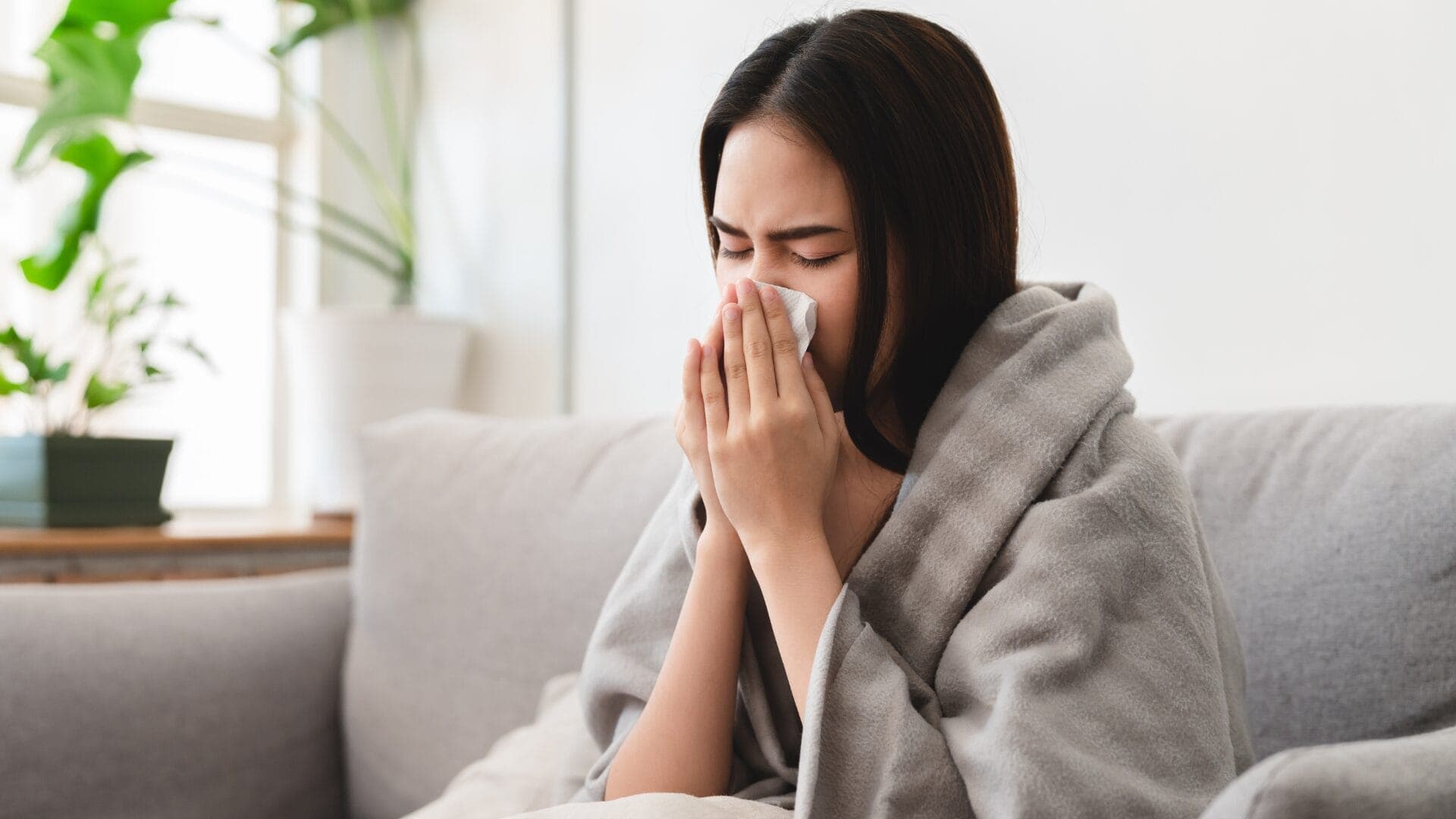
We’ve all had that annoying feeling of something dripping in the back of our throat. It makes you clear your throat over and over again, gives you a nagging cough, and sometimes even makes you feel like you’re about to gag. This is something doctors call post nasal drip, and while it may sound harmless, it can really mess with your day and night. Let’s break it down simply and answer the most common questions people have about this uncomfortable condition. 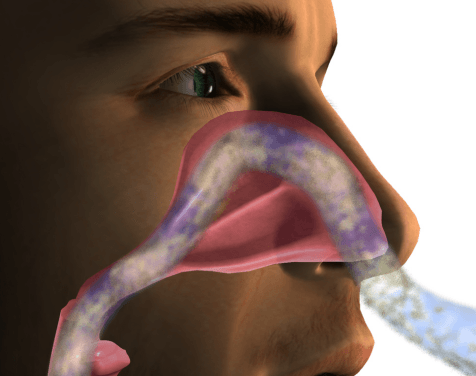
What is post nasal drip, and what does it feel like?
Post nasal drip happens when excess mucus builds up in the nose or sinuses and starts dripping down the back of your throat. It’s a natural process, but when too much mucus is produced or it thickens, you start to feel it.
What it feels like:
- A constant tickle or drip in your throat
- Frequent throat clearing
- A stuffy or runny nose
- Feeling like you’re swallowing mucus all the time
- A wet cough, especially at night
Some people also describe it as having a lump in the throat or needing to swallow often.
What causes post nasal drip, and can GERD be a factor?
Several things can cause post nasal drip, and yes, GERD (Gastroesophageal Reflux Disease) is one of them.
Common causes include:
- Allergies (like pollen, dust, pet dander)
- Colds or sinus infections
- Weather changes (especially dry air or cold temperatures)
- Spicy or oily foods
- Strong perfumes or pollution
- Hormonal changes or medications
- Deviated septum or other structural nose issues
- GERD, which causes stomach acid to irritate the throat and sinuses
When GERD is the cause, acid from the stomach moves up into the esophagus and irritates the throat, triggering more mucus as a protective response.
How long does post nasal drip usually last?
It depends on the cause:
- If it’s due to a cold or flu, it may last 7 to 10 days.
- If it’s caused by allergies, it can last as long as the allergen is present.
- For chronic sinusitis or GERD, it might go on for weeks or even months until the root cause is treated.
So, while it’s not always serious, it can become chronic if left untreated.
How to treat post nasal drip in Fresno and Merced, CA
The first step is to identify and treat the cause.
Here’s how you can manage or cure it:
- Nasal irrigation (like using a neti pot or saline spray) to wash out allergens and mucus
- Antihistamines for allergies
- Decongestants for colds or sinus issues
- Steam inhalation or humidifiers to keep air moist
- Avoiding triggers like smoke, pollution, or strong smells
- Treating GERD with lifestyle changes and antacids
- Drinking more water to thin mucus
If symptoms persist, it’s best to consult a doctor, especially an ENT specialist at Sierra Allergy Asthma and Sinus Center.
How can I stop post nasal drip at night or prevent it altogether?
Post nasal drip tends to get worse at night when you lie down and gravity works against you.

Here’s how to stop or reduce it at night:
- Sleep with your head elevated using extra pillows
- Use a humidifier in your bedroom
- Avoid eating spicy or acidic foods before bed
- Drink warm fluids like herbal tea or broth
- Take night-time antihistamines if allergies are the issue
- Rinse your nose with saline spray before sleeping
Preventing it altogether may not always be possible, but managing triggers and keeping your sinuses clear can help a lot.
What medications or remedies help with post nasal drip?
Medications that help:
- Antihistamines (e.g. cetirizine, loratadine) – great for allergies
- Nasal corticosteroid sprays (like fluticasone or mometasone)
- Decongestants (e.g. pseudoephedrine) – short-term use only
- Saline nasal sprays or rinses
- GERD meds (like omeprazole) if reflux is the cause
Only take these after consulting with the doctor.
Home remedies that help:
- Steam inhalation
- Warm saltwater gargles
- Honey and ginger tea
- Drinking lots of water
Can post nasal drip cause a sore throat, cough, or nausea?
Yes, and it’s very common.
- Sore throat happens because of constant irritation from mucus
- Coughing, especially at night, is due to mucus tickling the throat
- Nausea or upset stomach can occur when you swallow too much mucus
These symptoms often mimic those of a cold or allergy, which is why post nasal drip is sometimes misdiagnosed.
Is post nasal drip contagious?
No, post nasal drip itself is not contagious.
But if it's caused by a cold, flu, or sinus infection, the underlying illness might be.
So if someone is coughing, sneezing, and has post nasal drip from a virus, they could spread the virus, not the drip.
Can I eat certain foods like grits if I have post nasal drip?
Yes, you can eat grits, but be mindful of what’s added to them.
Foods to be careful with:
- Dairy (can thicken mucus for some)
- Spicy foods (can trigger more mucus)
- Fried or greasy items
- Very sweet or processed foods
Best foods for soothing post nasal drip:
- Warm broths
- Oatmeal or grits without dairy or butter
- Steamed vegetables
- Ginger or garlic-infused dishes
- Honey and lemon drinks
Final thoughts
Post nasal drip might feel minor, but it can really affect how you breathe, sleep, and feel. The good news? With the right care, whether that’s medication, hydration, or small lifestyle changes, you can find relief and breathe easy again. If symptoms are ongoing or disrupting your daily life, don’t hesitate to talk to a specialist. Relief might be just a visit away.
FAQs
Frequently Asked Questions
Can post nasal drip go away on its own?
Yes, if the cause is temporary like a cold. But if it’s chronic, you’ll need treatment.
Does drinking water help with post nasal drip?
Absolutely! Water helps thin mucus and makes it easier to clear.
Should I see a doctor for post nasal drip?
Yes, if it lasts longer than 10 days, comes with fever, or affects sleep or breathing.
Can weather or dry air make it worse?
Yes, dry air can thicken mucus. Use a humidifier indoors.
What’s the difference between post nasal drip and mucus from the chest?
Post nasal drip starts in the nose or sinuses, while chest mucus comes from the lungs or airways.
Is post nasal drip a symptom of allergies?
Very often, yes. Seasonal allergies are a common trigger.